


The Truth, From a Journalist
I want to address something clearly, calmly, and with real authority.
There is a significant amount of misinformation circulating right now about matcha, and as someone who has spent over seventeen years reporting, writing, and working across national media, I can tell you that this is exactly how misinformation spreads. A partial truth gets repeated, stripped of context, and eventually accepted as fact, even when it lacks accuracy.
That is not how good reporting works. Good reporting requires context, history, and precision, especially when discussing something as culturally significant as matcha.
I have been reporting on food, wellness, and Japanese culture for most of my career. I have been traveling to Japan since I was a child, and my family has deep roots there, including connections to monks and tea tradition. My great aunt was trained in the Omotesenke school, and I began learning about tea through her decades ago. Over the years, I have visited tea regions including Uji, Shizuoka, Kagoshima, Shiga, and Kyushu, where I have interviewed tea farmers and observed production firsthand.
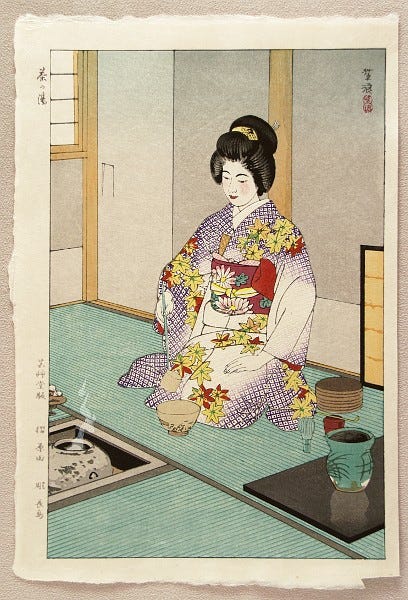
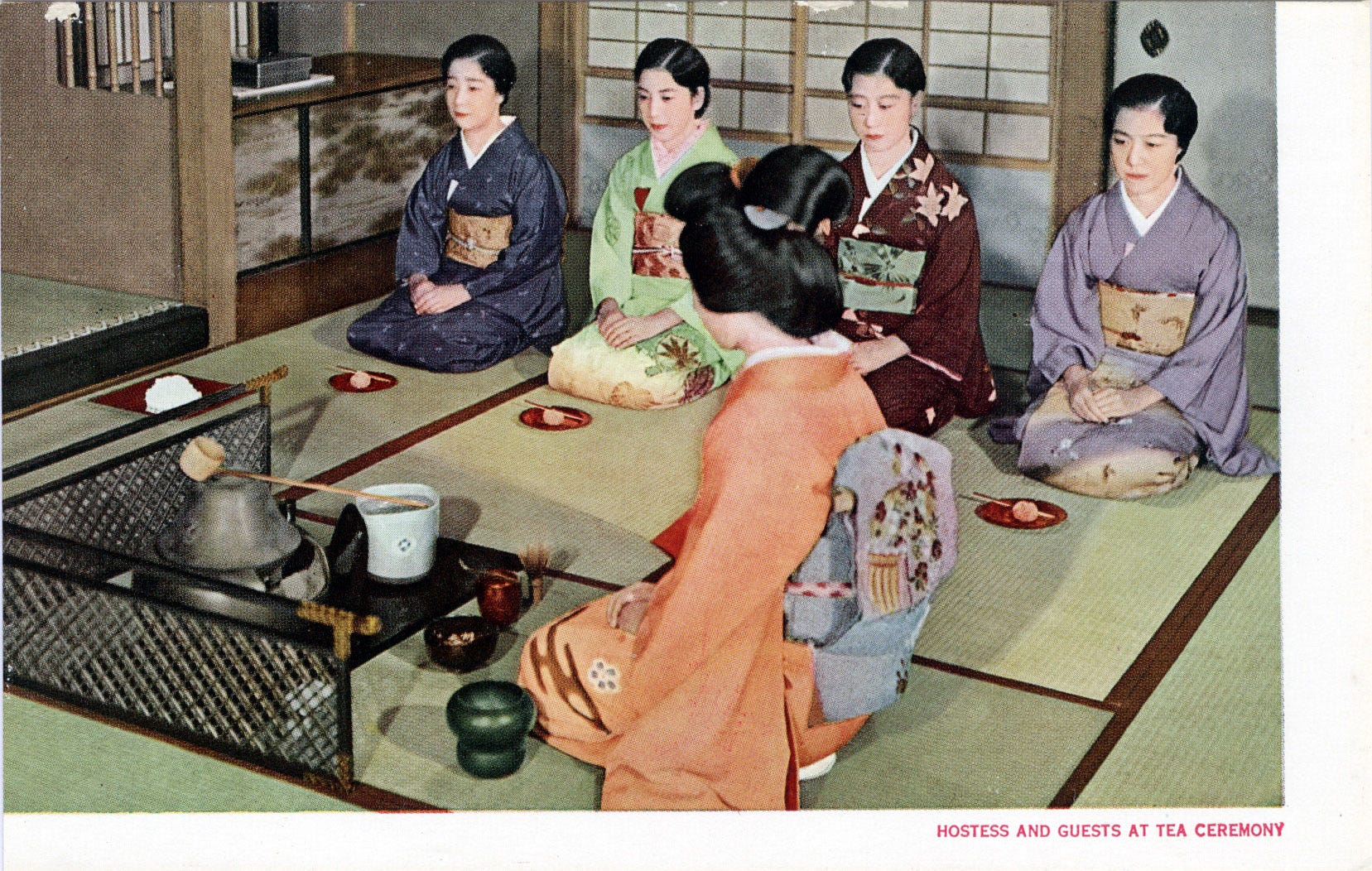
Artist: Shiro Kasamatsu 1898-1992 Tea CeremonyDescription
“Cha no Yu”. A beauty is performing the traditional Japanese tea ceremony: Woodblock print: Period: Shin Hanga - We cannot change the history of events which are documented in Japan from more than 800 years ago.
What I am sharing here is not pulled from a trend or a search result. It comes from lived experience, cultural education, and years of journalistic work.
Matcha is from Japan.
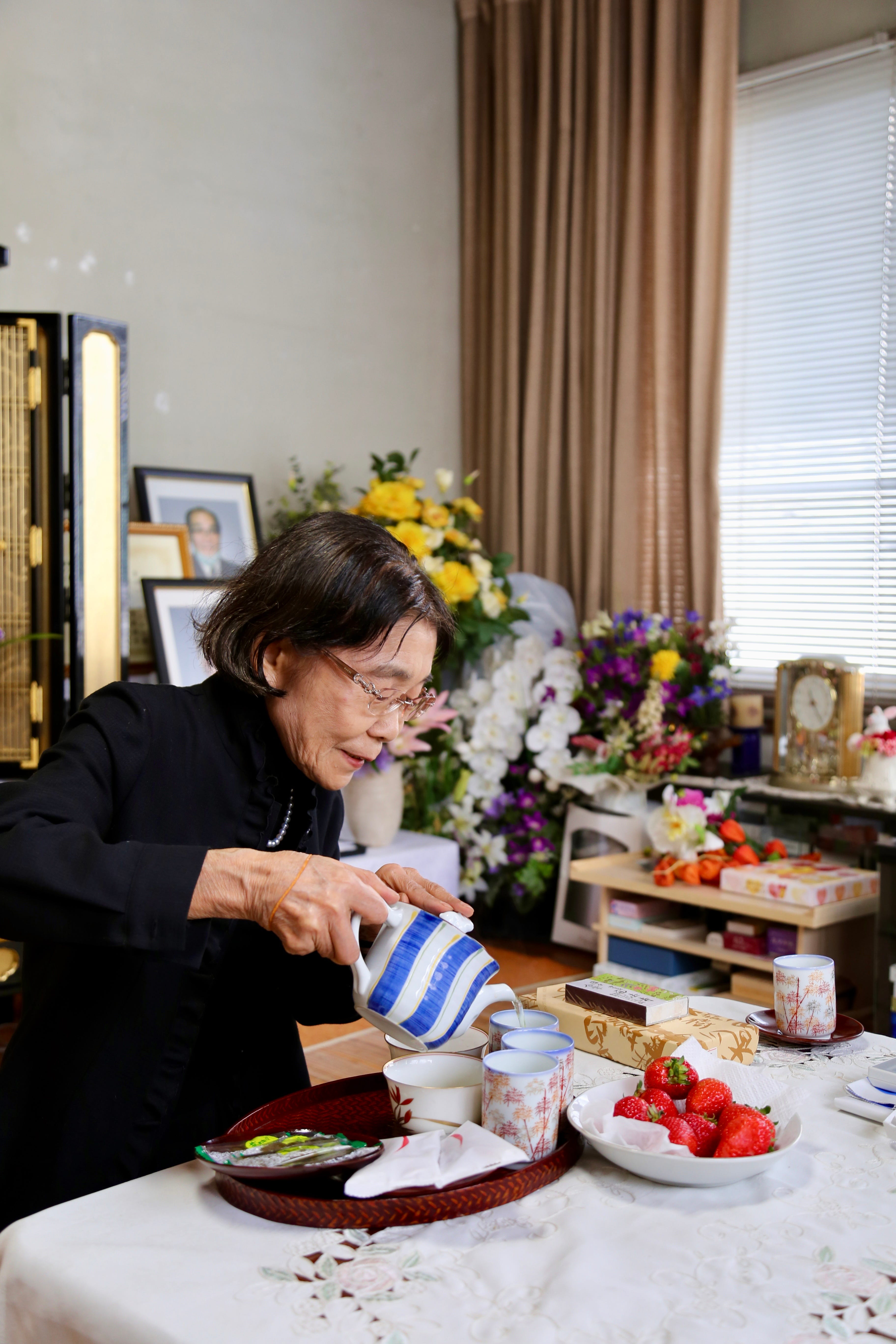
My Japanese Auntie Takuko, who is a Tea Master and a Tea Master Instructor from the Omotesenke School in Kyushu, Japan
What Matcha Actually Is
Matcha is often described as powdered green tea, which is technically correct, but that definition alone is incomplete and can lead to confusion.
Not all powdered green tea is matcha.
Matcha is defined by a specific system of cultivation, processing, and cultural continuity that distinguishes it from other forms of powdered tea. It is shade grown for several weeks before harvest, a process that alters the chemistry of the leaf. It is then processed into tencha, where stems and veins are removed to create a refined base material. That material is stone ground into an ultra fine powder, resulting in a texture that suspends smoothly in water. Finally, matcha exists within a continuous Japanese cultural tradition that has been preserved and practiced for centuries.
Without these elements, a product may be powdered green tea, but it is not matcha.
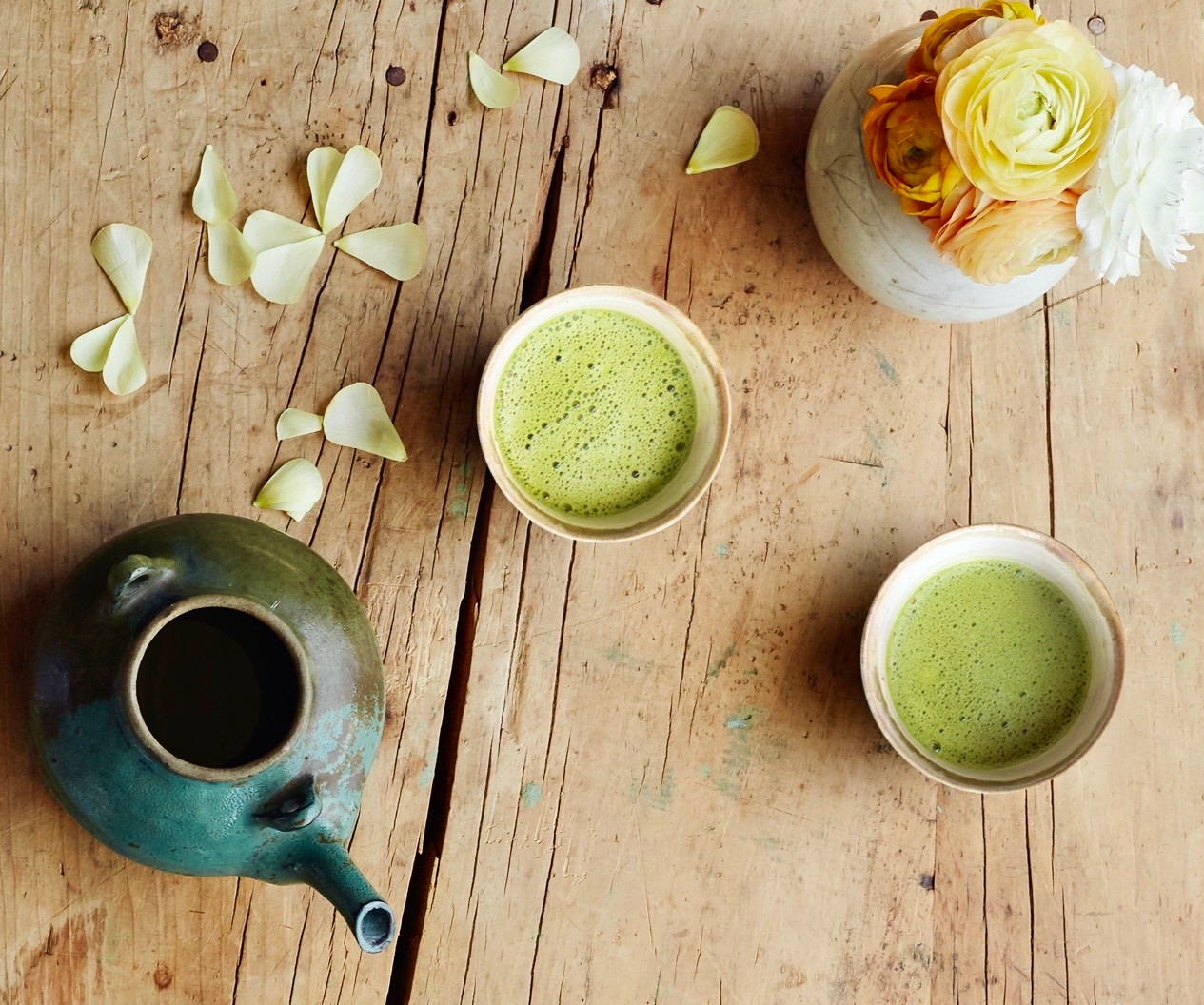
My many articles, news reporting and books and speaking events on matcha started in 2012— and beyond. The tea pots and cups, matcha supplies I photographed in my books and my magazine articles/news segments they are my Grandmother’s I carefully hand carried from Japan to the US.
Where the Confusion Begins
The confusion surrounding matcha typically begins with two widely repeated facts that are presented without sufficient context.
It is true that tea as a plant originated in China. It is also true that powdered tea existed in China centuries ago, particularly during the Tang and Song Dynasties.
However, these facts are often incorrectly used to suggest that matcha itself is Chinese, which is not accurate.
The tea plant is one thing, early tea practices are another, and matcha is a specific, refined product that emerged later through a distinct system of cultivation and processing. That system was developed in Japan.
Mo Cha (China): The Historical Precursor
Mo cha refers to powdered tea practices in China, particularly during the Song Dynasty, and it is an important part of tea history that deserves recognition on its own terms.
During this period, tea leaves were steamed, pressed into cakes, dried, and sometimes roasted. These cakes were later ground into powder and whisked into hot water, producing a frothy beverage. At a glance, this can appear similar to matcha, which is why the comparison is often made.
However, the similarities are superficial, and the differences are significant.
Mo cha was not shade grown, which means the biochemical profile of the leaf was different, with lower levels of L-theanine and higher levels of catechins. This resulted in a more bitter and astringent taste. There was no tencha process, meaning the leaves were not refined by removing stems and veins before grinding. Instead, the entire tea cake was used, producing a coarser and less refined powder.
Grinding methods were less precise, resulting in larger particle sizes that did not suspend smoothly in water. The final tea was darker in color, less vibrant, and considerably more bitter in flavor.
Most importantly, this system did not continue. Chinese tea culture evolved toward loose-leaf tea, and powdered tea fell out of central use.
Mo cha remains part of tea history, but it is not the same as matcha.
Matcha (Japan): A Refined Agricultural and Cultural System
Matcha, as it exists today, is a Japanese product that has been developed, refined, and preserved over centuries through a highly specific and intentional process.
The word itself reflects its meaning. Ma (抹) means to grind, and cha (茶) means tea, so matcha (抹茶) translates to ground tea. However, this literal translation does not capture the full definition, because not all ground tea qualifies as matcha.
The defining process begins with shading the tea plants for several weeks before harvest. This technique, developed in Japan, limits sunlight exposure and causes the plant to increase chlorophyll production while preserving higher concentrations of amino acids, particularly L-theanine. This is what gives matcha its vibrant green color, its rich umami flavor, and its characteristic calm, sustained energy.
Following harvest, the leaves are processed into tencha, which is the critical step that distinguishes matcha from other green tea powders.
The Role of Tencha
Tencha is the foundational material from which matcha is made, and it is one of the most important distinctions in defining authentic matcha.
During tencha production, the leaves are steamed to prevent oxidation and then dried without rolling. The stems and veins are carefully removed, leaving only the most delicate and refined portions of the leaf. This step significantly reduces bitterness and creates a smoother, more balanced flavor profile.
Tencha is not consumed directly. It exists specifically as the raw material for matcha.
Once the tencha is prepared, it is stone ground using traditional granite mills into an ultra fine powder, typically measured in microns. This extremely fine particle size allows matcha to suspend evenly in water, creating the smooth, creamy texture that defines high quality matcha.
This level of refinement is not incidental. It is the result of deliberate Japanese craftsmanship that has been developed and perfected over generations.
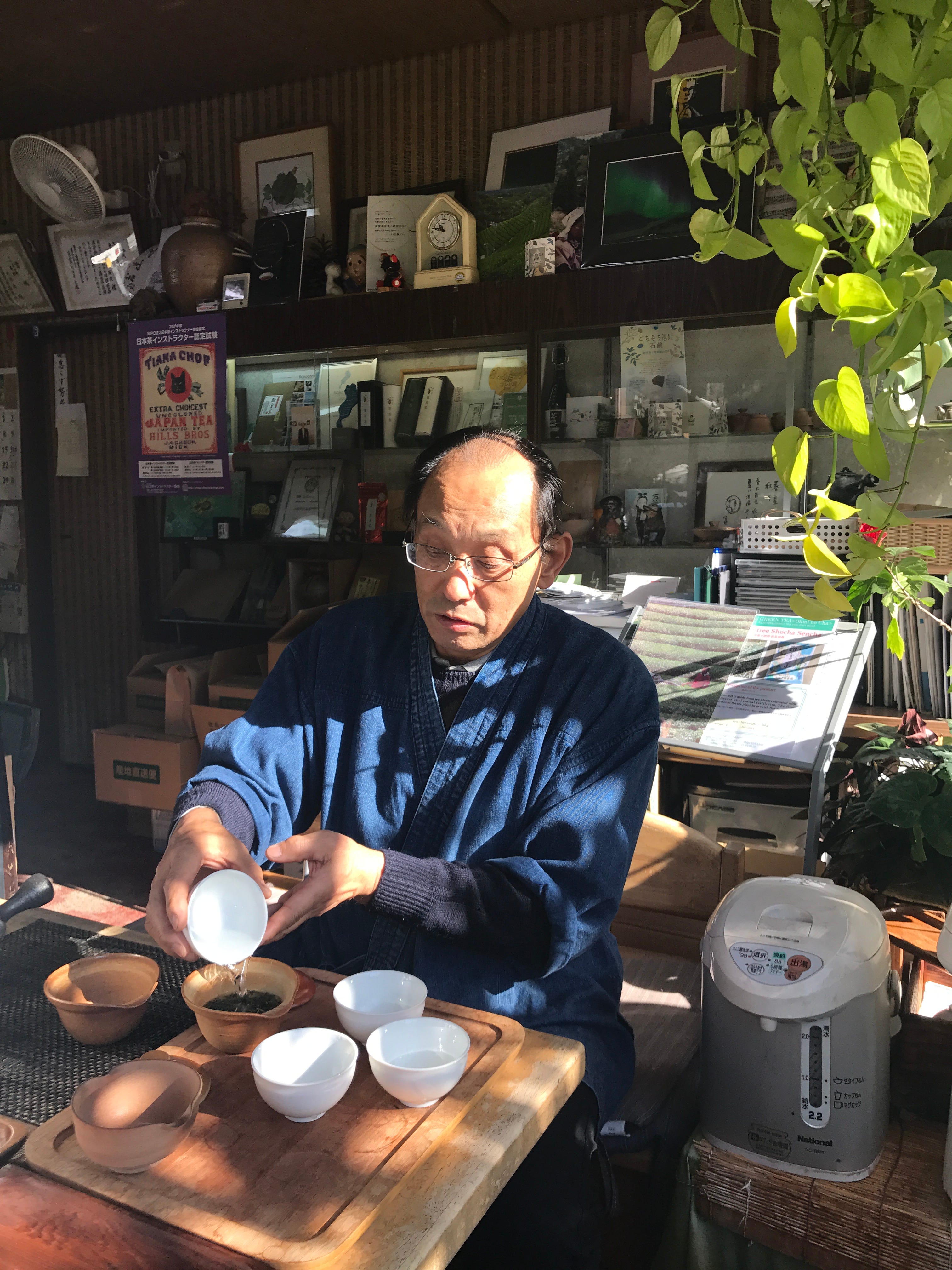
For the past few decades I’d take solo trips to Shiga, Japan, and Lake Shiga: I went because I was curious, to learn and study about my lineage; I wanted to learn about matcha direct from matcha farmers, tea masters and Japanese tea purveyors.
The Chemistry Behind Matcha
The differences between matcha and other green tea powders are rooted not only in tradition and process, but also in chemistry.
The shading process increases chlorophyll levels, which gives matcha its vivid green color. It also preserves higher concentrations of L-theanine, an amino acid associated with calm, focused alertness. When combined with caffeine, L-theanine contributes to a sustained energy effect that is distinct from the sharper stimulation associated with coffee
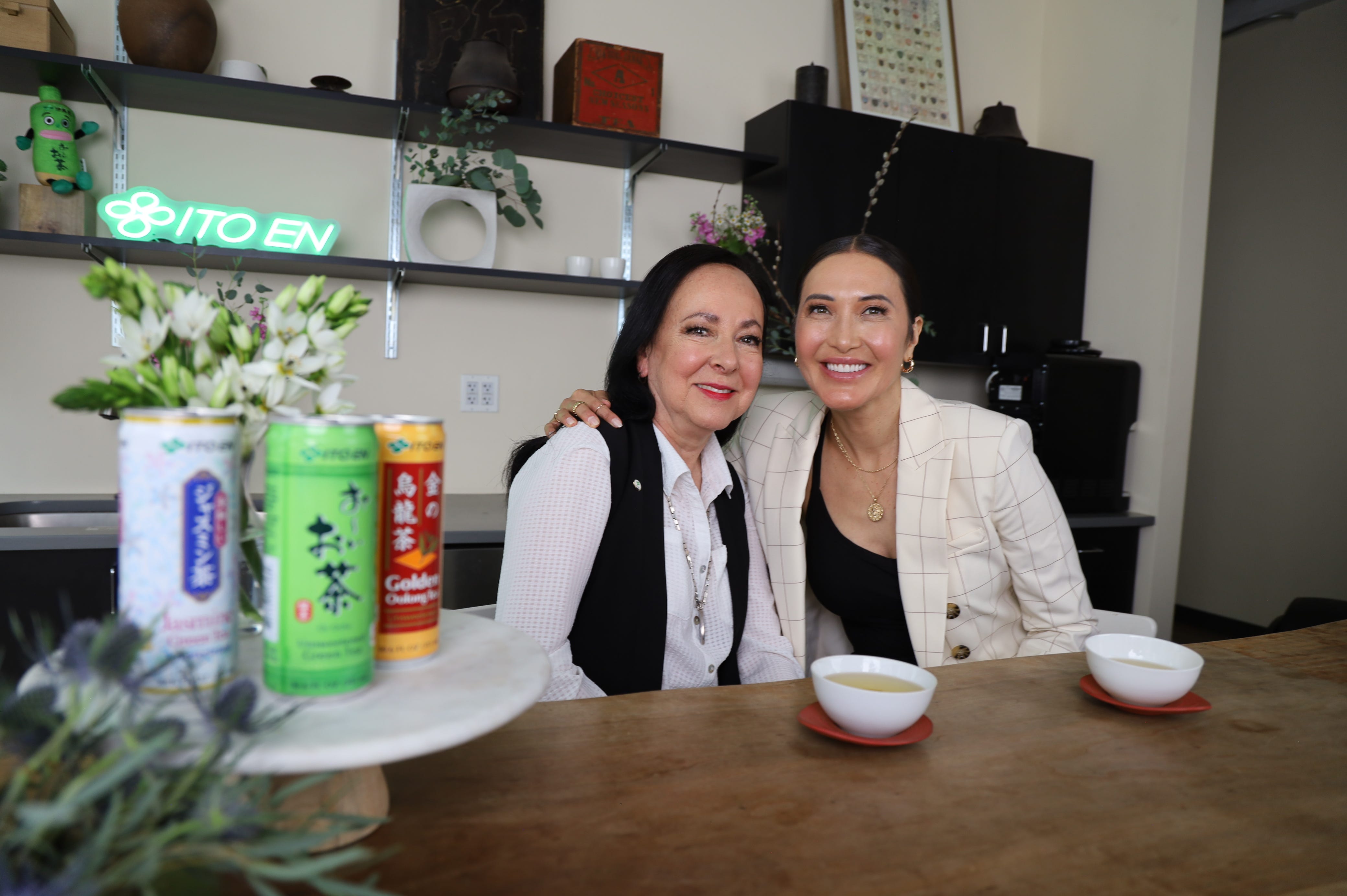
Candice and her mentor Rona Tison, both of Japanese descent - have been sharing the origins of matcha with Ito En, across the US and Japan for decades.
At the same time, reduced sunlight exposure limits the development of catechins, which are responsible for bitterness. This results in a smoother, more balanced flavor profile with a pronounced umami taste.
These chemical differences are well supported by modern tea science and help explain why matcha looks, tastes, and feels different from other forms of green tea.
The Problem With Modern Matcha
This distinction has become increasingly important as matcha has grown in global popularity.
Today, many green tea powders are labeled as matcha without following the same cultivation and processing methods. Products that are not shade grown, not processed into tencha, and not properly stone ground are often marketed under the same name, despite not meeting the same standards.
This creates confusion and contributes to the spread of misinformation.
Not all powdered green tea is matcha. Matcha is defined by its process, its refinement, and its cultural continuity, all of which are rooted in Japan.
Listen to the Full Wabi Sabi Podcast on this topic:

Teaching my Matcha Masterclass all over the nation to help to share the correct information with the world. There’s a specific way to purchase, make, drink and enjoy matcha.
The Simplest Way to Understand It
A helpful way to understand this distinction is through analogy.
Matcha is to Japan what Champagne is to France.
While grapes may have originated in multiple regions, Champagne is defined by a specific place, method, and tradition. The same principle applies to matcha.
Why This Matters
This conversation is not about exclusion, but about accuracy and respect.
Tea has a long and shared history across Asia, and that history should be honored. At the same time, matcha as it exists today is a Japanese innovation and a Japanese cultural inheritance.
Recognizing that distinction allows for a more accurate understanding of both tea history and modern practice, while also respecting the people, traditions, and craftsmanship that define matcha.
Sources, History, and Cultural Context
Here is where this information comes from, so you can stand behind it with confidence.
What is shared here is aligned with established tea scholarship, Japanese cultural history, and modern industry standards. It is not drawn from simplified internet summaries, but from well documented practices, historical records, and lived cultural tradition.
Japanese tea institutions and historical record include regions such as 宇治 (Uji), 静岡 (Shizuoka), 鹿児島 (Kagoshima), and 九州 (Kyushu), all of which are known for centuries of high quality tea production. The cultivation method 覆下栽培 (ooishita saibai), or shade growing, is a defining feature of matcha production. Tea ceremony traditions 茶道 (sadō or chanoyu) are preserved through schools such as 表千家 (Omotesenke) and 裏千家 (Urasenke).
Academic tea history includes documented powdered tea practices 抹茶 (mo cha) in China during the Tang and Song Dynasties, as well as the role of the monk 栄西 (Eisai), who brought tea seeds and knowledge to Japan in the 12th century, where it was further developed.
Modern tea science supports the role of shading in increasing chlorophyll and preserving L-theanine, while also explaining the balance of catechins, amino acids, and plant chemistry that define matcha’s flavor and effects.
Industry definitions and standards establish that matcha is made from 碾茶 (tencha), a refined leaf material with stems and veins removed, and that it is stone ground using granite mills into ultra fine particles measured in microns, allowing for proper suspension and texture.
I have also personally interviewed tea farmers and tea masters across Japan and observed these processes firsthand.
Matcha, as we know it today, is a Japanese practice. It is grown in Japan, cultivated in Japan, and refined through Japanese methods that have been preserved for centuries. It is not a blend of practices from different cultures, and it is not defined by powdered tea alone. It is a distinctly Japanese product, rooted in land, craft, and cultural continuity.
Candice Kumai is a classically trained chef, award-winning journalist, and seven-time bestselling author. Hailed as “The Golden Girl of Wellness” by ELLE and Forbes, she has spent over two decades in national media, including as a longtime contributor to NBC’s TODAY Show. Her work spans Vogue, The Wall Street Journal, Cosmopolitan, and ABC News, with a focus on Japanese culture, wellness, and beauty, where she is recognized as a leading authority bridging East and West.
You can subscribe and listen to this full story here:
Don’t get it twisted.
Matcha is a morning ritual for special days only for me. The L-theanine and caffeine combination is genuinely different from coffee, offering calm, sustained focus without the cortisol spike or the crash. For anyone with adrenal fatigue or anxiety alongside their gut issues, this distinction matters more than most people realize. Sometimes I recommend steering clear when there’s excessive stress or anxiety.